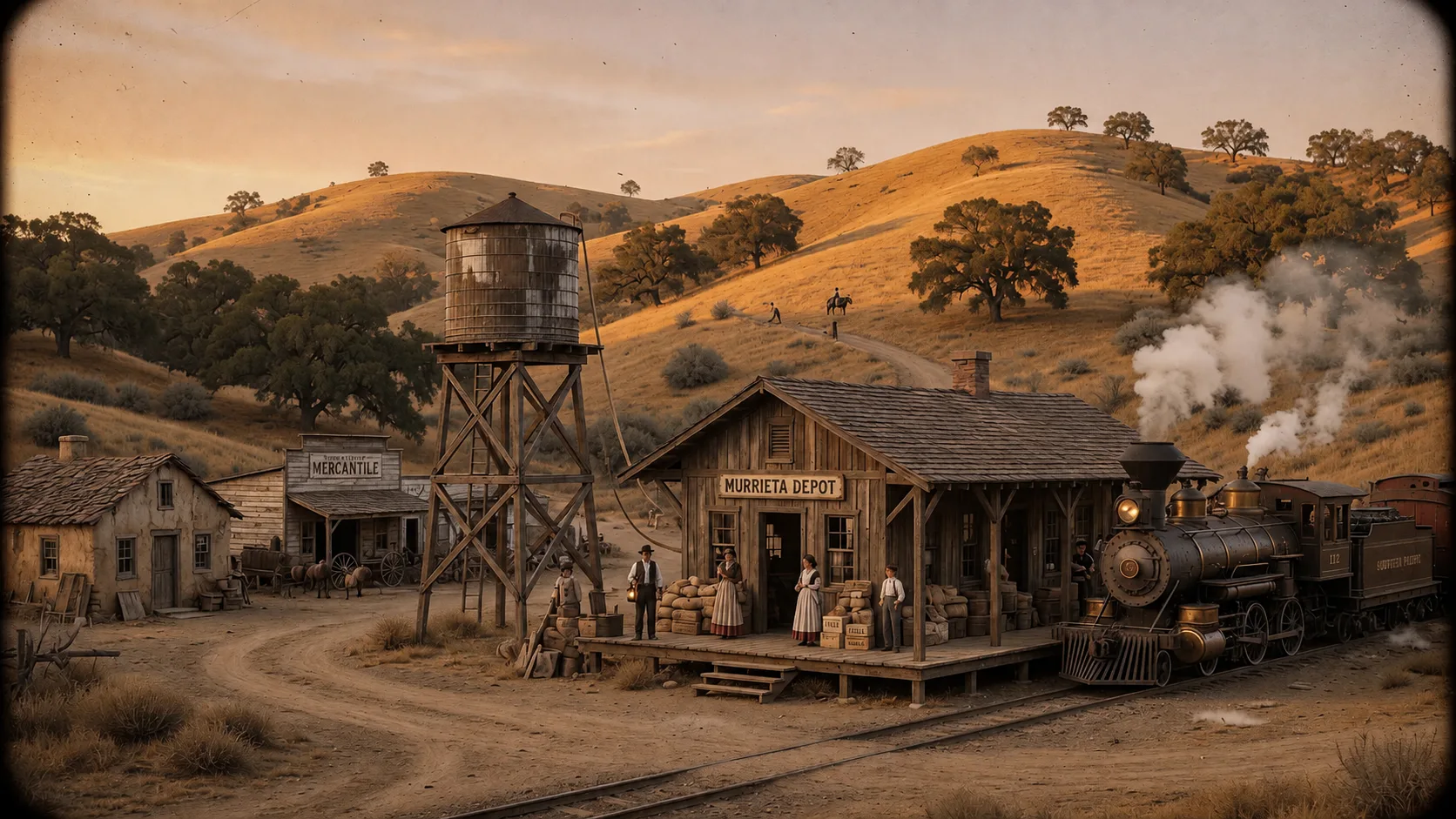
The History of Murrieta: From Railroad Town to Thriving Community
Long before fast-moving freeways and modern suburban neighborhoods lined the valley, Murrieta was a quiet expanse of rolling hills and grassy pastures. Over the span of 150 years, Murrieta transformed from a peaceful sheep ranch into a booming 19th-century railroad depot, survived quiet decades as a country crossroads, and ultimately evolved into one of Southern California's safest and most desirable cities.
Timeline of Key Milestones
- 1 1873: Juan Murrieta and partners purchase 52,000 acres of ranch land. Thousands of sheep arrive in the Temecula Valley.
- 2 1882–1887: California Southern Railroad arrives. The official townsite of Murrieta is established.
- 3 1902: Fritz Guenther launches the world-famous Murrieta Hot Springs resort.
- 4 1918: The Murrieta Valley Grain Elevator is built. The iconic silos still stand in Old Town today.
- 5 1935: The last train departs the Murrieta depot on March 18. Rail service ends permanently.
- 6 1980s: Interstate 15 expansion sparks a massive suburban housing boom in the valley.
- 7 1991: Murrieta officially incorporates as a city on July 1, with over 24,000 residents.
Early Beginnings: Sheep, Land Grants, and Juan Murrieta
Before European settlement, the valley was home to the Luiseño people, who settled villages near the local mineral springs.
The modern story of the town began in 1873, when Basque rancher Juan Murrieta arrived alongside his brother Ezequiel and business partners Domingo Pujol and Francisco Sanjurjo. They acquired 52,000 acres comprising the former Mexican land grants of Rancho Pauba and Rancho Temecula. Juan brought over 7,000 head of sheep to graze on the green hills. When the partnership divided in 1876, Juan retained 15,000 acres in the northern half of Rancho Temecula — the area that would soon bear his family name.
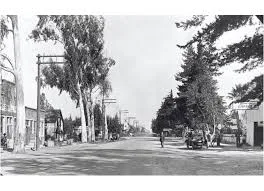
The Iron Horse: How the Railroad Built the Town
In 1882, Juan Murrieta granted a 100-foot right-of-way across his land to the California Southern Railroad (a subsidiary of Atchison, Topeka and Santa Fe).
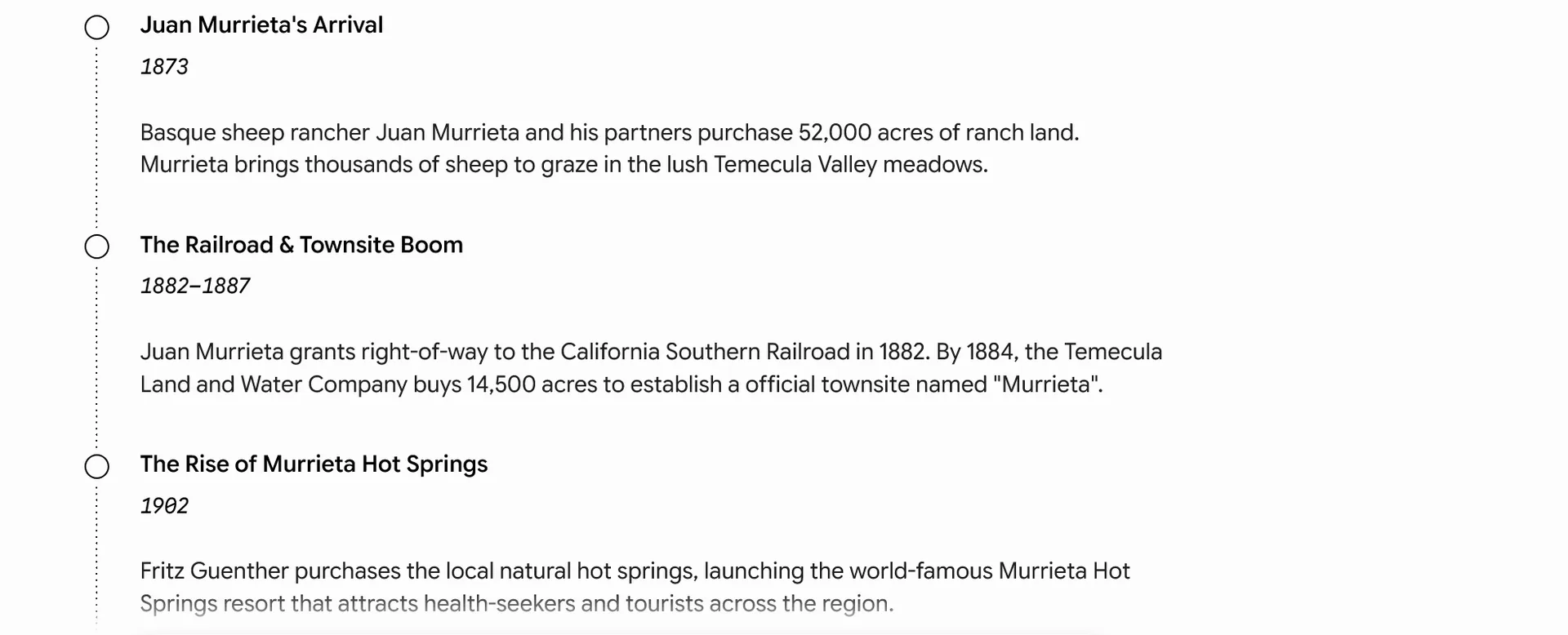
By 1884, seeing the potential of a rail connection between San Diego and Barstow, the Temecula Land and Water Company bought 14,500 acres from Murrieta to map out a formal townsite. Lots were advertised for as little as $5 an acre. When the train depot was completed in 1887, settlers, merchants, and farmers flooded the region.
By 1890, the population reached 800. The Fountain House Hotel, situated across from the depot, became the vibrant social heart of the community, while local grain fields flourished around the valley.
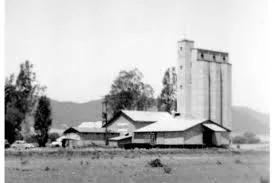
Era Milestones — Historical Significance
- Grammar School (1885): Established to educate the children of early pioneer farming families.
- Hot Springs Resort (1902): Fritz Guenther expanded the thermal mineral springs into a famous retreat.
- Grain Elevator (1918): Built during WWI to solve grain bag shortages; iconic silos remain in Old Town today.
The Quiet Middle Years (1935–1979)
The town's primary economic catalyst shifted dramatically on March 18, 1935, when the last train departed the Murrieta Depot. Unpredictable flooding in nearby canyons had repeatedly washed out tracks, making rail maintenance unsustainable.
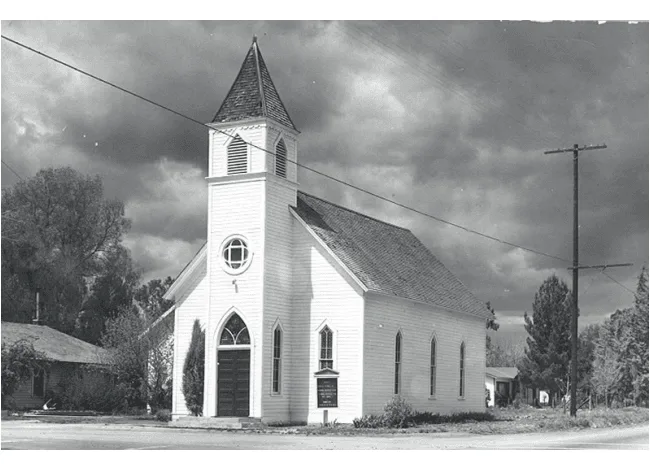
Without direct rail service, Murrieta settled into a long, tranquil chapter. For nearly 50 years, it remained a small, agricultural enclave known for grain crops, cattle, and horse ranches. Volunteers formed the Murrieta Volunteer Fire Department in 1947, ringing the Methodist Church bell to summon firefighters. By 1980, the population had only grown to 2,200.
The Freeway Revolution and Incorporation Boom
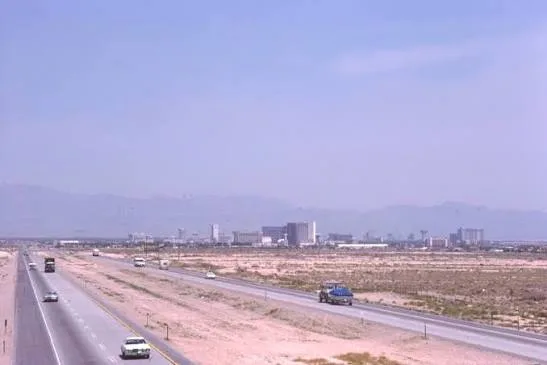
Everything changed in the mid-1980s with the expansion of Interstate 15 and Interstate 215.
As land prices skyrocketed in neighboring Orange and San Diego Counties, commuters discovered Murrieta's affordable housing, scenic vistas, and central position. A massive construction boom followed:
1980 Population
~2,200
1990 Population
~24,000
Incorporation
July 1, 1991
Following incorporation, city leaders quickly established local governance, creating its own Police Department (1992), Fire District management (1993), and Public Library (1998) to ensure high standards for public safety and community infrastructure.
Murrieta Today: The "Gem" of the Valley
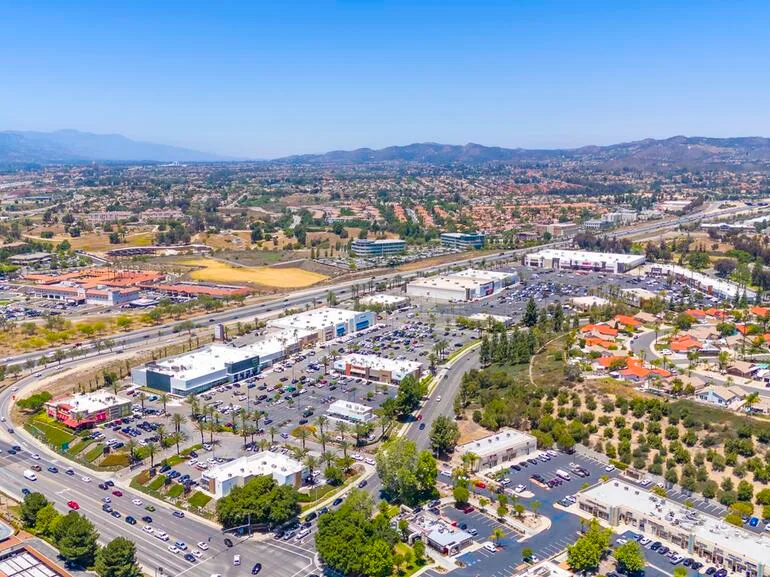
Today, Murrieta is home to over 115,000 residents, making it the fourth largest city in Riverside County. It consistently ranks as one of the safest cities in Southern California and the nation for its population size.
While top-tier schools, modern healthcare facilities, and thriving commercial centers define modern Murrieta, the city honors its roots. A stroll through Old Town Murrieta still reveals historical treasures like the 1918 grain elevator, restored historic homes, and vintage storefronts that echo the spirit of Juan Murrieta and the early railroad pioneers.
"Murrieta's story is one of remarkable transformation — from sheep ranch to railroad town, from country crossroads to one of California's most desirable communities. It's a history worth knowing."
— Laura Holbert, Team Integrity Realty
Ready to Make Murrieta Home?
Whether you're drawn by the rich history, the top-rated schools, or the warm community spirit, Living in Murrieta has everything you need to start your journey.
Call us: (951) 704-4635
Discovering Old Town Murrieta: The Valley's Best Kept Secret
Historic Washington Avenue, local restaurants, antique shops, and the charm of Old Town Murrieta.
Read MoreRelocation Guide: Why Move to Murrieta
Cost of living, schools, commute times, and everything you need to plan your move.
Read MoreThings to Do in Murrieta
Parks, dining, events, and the best activities in and around Murrieta.
Read More