Murrieta Weather and Climate: A Local's Guide to the Four Seasons
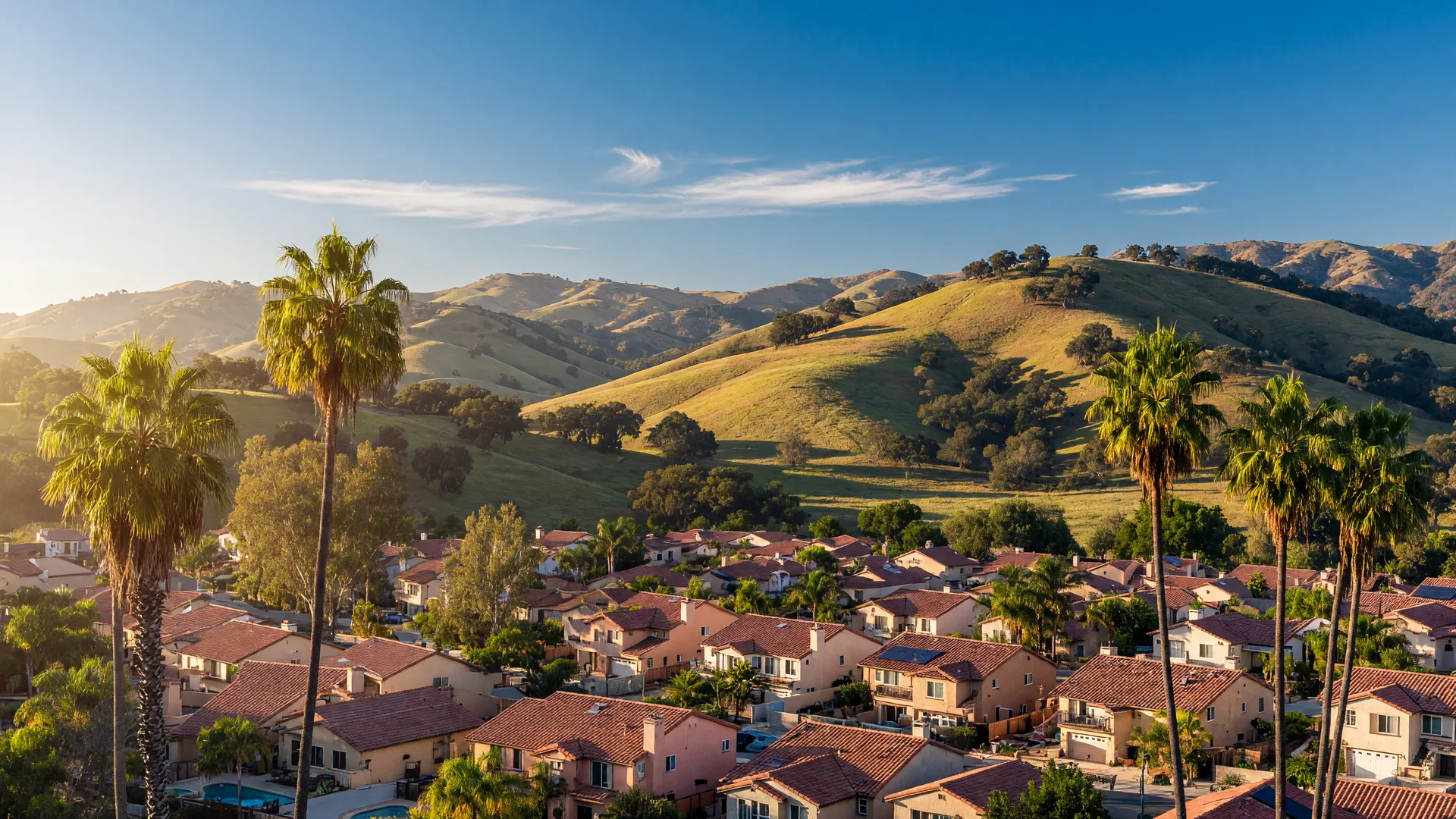
People ask us about Murrieta's weather almost as often as they ask about its schools. The short answer: Murrieta has a mild Mediterranean climate with roughly 300 sunny days a year, about 10 inches of rain that falls almost entirely between November and March, and summers that get genuinely warm before cooling off beautifully at night. It is the kind of weather that lets you hike in February, eat dinner on a patio in October, and plan your pool season with confidence. Here is what all four seasons actually feel like in the Gem of the Valley, straight from locals who live here and love it.
What Type of Climate Does Murrieta Have?
Murrieta sits about 1,200 feet above sea level in a broad valley between the Santa Ana Mountains and the hills of the Santa Rosa Plateau. In climate terms, that puts the city in a hot-summer Mediterranean zone: dry, sunny, and mild for much of the year, with a distinct rainy season in winter. Because the air is dry, the temperature swings a lot between day and night. A summer afternoon can hit the low 90s, then drop into the comfortable 60s by bedtime. That nightly cooldown is one of the things newcomers from humid states notice first, and it is why so many homes here have patios, barbecues, and open windows by evening.
Winter in Murrieta: The Green Season
Winter is when Murrieta turns green. From December through February, daytime highs typically sit in the 60s with overnight lows near 40, and frosty car windows are common on the coldest mornings. The valley's roughly 10 inches of annual rain arrive almost entirely in this window, usually as a series of valleywide storms rather than endless drizzle. Within days, the hillsides shift from gold to emerald, creeks run, and the air gets that crisp, clear post-rain light that photographers chase. Snow is extremely rare in the city itself, though the higher country around the Plateau can occasionally catch a dusting. Winter is also prime hiking weather, which makes our trail guide a very popular read this time of year.
Spring: Wildflowers and Perfect Outdoor Weather
March through May is arguably Murrieta's best season. Highs climb into the 70s, the hills stay green, and the wildflowers arrive, including the famous displays on the Santa Rosa Plateau trails and the oak-dotted canyons around town. Families stretch their legs at the city's best parks, farmers markets start filling with stone fruit and fresh produce, and evenings are perfect for the first patio dinners of the year. For house hunters, spring is a favorite window to tour neighborhoods: yards are blooming, curb appeal is at its peak, and the school year is settling into its final stretch.
Summer: Pool Season and Long Evenings
Summers in Murrieta are warm, dry, and mostly sunny, with average highs in the 80s and low 90s and the occasional triple-digit afternoon during heat waves. Because the humidity stays low, shade and a breeze go a long way, and evenings cool down fast. Locals plan big outdoor efforts for the morning, then shift to pools and air-conditioned afternoons. Summer is when the community calendar fills up, from So Cal Summerfest to Murrieta Market Nights and concerts under the stars, all listed on our events page. And if you want a classic Murrieta summer evening, an after-dark soak at the historic hot springs is hard to beat.
Fall: The Valley's Best Kept Secret
Ask any local for their favorite time of year and most will say October or November. The extreme heat fades, days settle into the 70s and low 80s, and nights turn crisp enough for a light jacket. It is also the harvest season: the Temecula Valley wine country across the freeway celebrates grape season, pumpkin patches and fall festivals pop up all over, and restaurants roll out their most inviting patio weather of the year. Our dining guide and fall guide are full of ways to enjoy it, and the holiday season takes over Town Square right after.
How the Weather Shapes Everyday Life
The climate here is woven into how Murrieta lives. Homes are built around outdoor spaces: covered patios hold conversation sets, many yards trade water-hungry lawns for drought-tolerant natives, and pools are a centerpiece of summer rather than a luxury. Energy patterns follow the seasons too, with air conditioning doing the heavy lifting from June through September and windows open during the mild shoulder months. The school year lines up neatly with the seasons, so summer break lands right at pool weather, and free outdoor activities are genuinely usable almost every month of the year.
Frequently Asked Questions About Murrieta Weather
Does it snow in Murrieta?
Snow in the city is extremely rare, and most winters pass without a single flake. Frosty mornings are common in the coldest months, and the higher hills around the Santa Rosa Plateau occasionally see a light dusting on the coldest nights. For real snow, families usually take a day trip to Idyllwild or Big Bear.
How hot do Murrieta summers get?
Typical summer highs run in the 80s and low 90s, with heat waves occasionally pushing past 100. The saving grace is the dry air and the strong nightly cooldown, which usually brings temperatures back into the 60s by late evening. Pools, shade, and morning schedules are the local way to beat the heat.
Does it rain a lot in Murrieta?
Not really. Murrieta averages about 10 inches of rain a year, and nearly all of it falls between November and March. Summers are essentially dry, which is exactly why the hills turn golden by July.
Is Murrieta humid?
No. The air is dry for most of the year, which makes the heat feel more manageable and the evening cooldowns feel more dramatic than they do in humid climates. Some newcomers keep a humidifier handy in the driest months.
When is the best time to visit Murrieta?
Spring and fall are the sweet spots, with mild days and comfortable nights. If you are relocating, consider touring neighborhoods in both a warm month and a cool one so you can picture life across the whole calendar.
Why Murrieta's Climate Feels Like Home
There is a reason the same foothills that look golden in July turn emerald every winter and burst into wildflowers each spring: Murrieta's weather gives you four distinct seasons without the extremes. You get the cozy, rainy-weekend feeling in January, the vibrant green of March, the long pool-filled evenings of July, and the crisp harvest energy of October, all delivered in nearly constant sunshine. It is a genuinely great climate for raising a family, staying active in retirement, or simply enjoying a Southern California lifestyle on a realistic budget.
If you are thinking about making Murrieta your home, our neighborhood guide and relocation guide cover everything from costs and schools to the moving roadmap, and our about page introduces Laura Holbert and Cheryl Shadden. Come visit in the spring, and you will understand why locals never tire of this valley.
Explore more: Murrieta Trails | Best Parks | Community Events | Fall in Murrieta | Holiday Season
Ready to Call Murrieta Home?
No matter the season, the best time to start your home search is now, while you can still tour homes in the sunshine. Laura and Cheryl would love to help you find the right neighborhood for your family, your budget, and your love of that evening patio weather. Give them a call or schedule a consultation at a time that works for you.